 blog
blog
Best Grass-Fed Wagyu Beef in Sydney: A Buyer's Guide
Table of Contents
- What Makes Grass-Fed Wagyu Beef Different
- Understanding Wagyu Beef Marbling and Quality Grades
- Australian Wagyu vs Japanese Wagyu: What You Need to Know
- Why Is Wagyu Beef Expensive: Breaking Down the Cost
- How to Buy Wagyu Beef Online and Get Fresh Delivery
- How to Cook Wagyu Steak on the BBQ: From Prep to Plate
- Finding Premium Grass-Fed Wagyu in Your Area
- Frequently Asked Questions
Last Updated: October 18, 2026
What Makes Grass-Fed Wagyu Beef Different
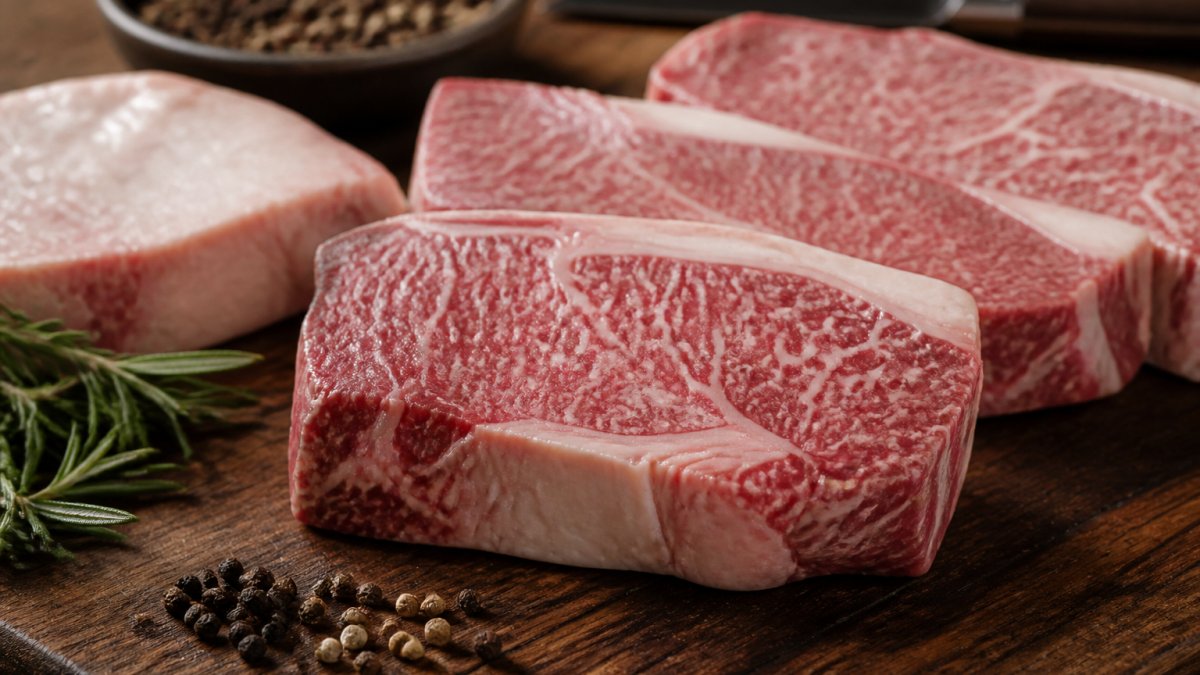
Grass-fed Wagyu beef Sydney represents a distinctive category within the premium beef market. Unlike conventional beef cattle, Wagyu cattle produce meat with intricate marbling, those delicate white fat lines running through the muscle.
The grass-fed element matters equally. At African Vibe, we source 100% naturally grass-fed Black Angus Wagyu beef, free from antibiotics and hormones. Grass-fed beef contains higher levels of omega-3 fatty acids and conjugated linoleic acid compared to grain-finished alternatives (pubmed.ncbi.nlm.nih.gov).
When you combine the genetic predisposition of Wagyu cattle with grass-fed rearing practices, you're investing in meat that delivers superior flavour, texture, and nutritional density.
Understanding Wagyu Beef Marbling and Quality Grades
Marbling refers to the intramuscular fat distributed through beef muscle, and it is the primary quality signal in Wagyu. But the grading landscape is more fragmented than most product pages admit, and understanding the difference between systems, and what they do not tell you, is essential when you are specifically shopping for grass-fed Wagyu.
The two systems you will see on labels
Australian Wagyu is typically described using the AUS-MEAT marble score, which runs from 0 to 9 (with some processors referencing scores up to 9+ for exceptional carcases). This is the scale most local producers and butchers use, and it is the one to look for on Australian product.
Japanese Wagyu uses the Beef Marbling Standard (BMS), which runs from 1 to 12 and sits inside the broader Japanese Meat Grading Association system, where A5 represents the top yield and quality grade. A Japanese A5 carcase typically carries a BMS of 8 or above.
What marbling score does not tell you
This is the point most retailer pages skip: marbling score measures fat distribution, not feeding method. A highly marbled carcase can come from a grain-finished animal, and a grass-fed animal can carry a modest marble score. The two attributes are independent. If grass-fed status matters to you, the marble score on the label is not evidence of it, you need separate verification (covered in the sourcing section below).
Higher marbling does affect cooking: more intramuscular fat renders during cooking, producing a richer mouthfeel and more forgiving results on the grill. Leaner grass-fed Wagyu with a lower marble score benefits from gentler heat and closer attention to doneness.
Fullblood versus crossbred, a related label to decode
Marbling expectations also shift with genetics. Fullblood Wagyu (100% Wagyu genetics) typically marbles most heavily but is rarer and more expensive. Crossbred Wagyu, for example, Wagyu crossed with Black Angus, carries a percentage designation (F1, F2 and so on) and generally produces moderate marbling with a stronger beef flavour. Neither is inherently better; they suit different cooking styles and budgets. Ask the supplier for the breed composition if it is not stated clearly.
Australian Wagyu vs Japanese Wagyu: What You Need to Know
Both Australian and Japanese Wagyu produce exceptional beef, but they represent different approaches to cattle breeding and raising. Understanding these differences helps you choose which style suits your preferences and cooking methods.
Japanese Wagyu, particularly A5-graded beef from regions like Kobe or Wagyu, features extremely dense marbling, sometimes so abundant that the meat appears almost entirely white with fat.
Australian Wagyu, including our grass-fed Black Angus Wagyu, typically features slightly less extreme marbling than Japanese A5 grades, but the marbling remains exceptional. The grass-fed rearing produces a leaner final product with more pronounced beef flavour.
For most home barbecuers and family meals, Australian grass-fed Wagyu offers the ideal balance.
Why Is Wagyu Beef Expensive: Breaking Down the Cost
Wagyu beef costs significantly more than conventional beef, and there are legitimate reasons behind that price premium.
The first factor is genetics. Wagyu cattle require specialist breeding programmes and careful genetic selection.
Second, grass-fed rearing requires more land, longer growing periods, and more intensive management than conventional feedlot systems. Cattle grazing on pasture need more space, more monitoring, and more time to reach optimal weight.
Third, traceability and certification add cost. When you purchase grass-fed Wagyu beef with verified provenance and antibiotic-free certification, you're paying for transparency systems that track the animal from birth through processing.
Finally, the marbling itself is expensive to produce.
How to Buy Wagyu Beef Online and Get Fresh Delivery
Purchasing premium beef online requires confidence in the supplier's cold-chain management and commitment to freshness.
Start by clarifying what you're purchasing. Specify whether you want frozen or fresh delivery, and understand the marble score of the cut you're selecting.
Check the supplier's delivery coverage before ordering. We deliver across the Sydney area, but delivery distance affects timing and handling.
Most premium online suppliers, including African Vibe, ship Wagyu beef in insulated packaging with ice packs or dry ice to maintain temperature throughout transit.
For fresh delivery, use the meat within 2-3 days of receipt. If you've ordered frozen product, transfer it to your freezer immediately.
How to Cook Wagyu Steak on the BBQ: From Prep to Plate
Cooking premium grass-fed Wagyu beef on the barbecue requires a slightly different approach than conventional steak. The higher marbling means the meat will render fat during cooking, which creates incredible flavour but demands attention to temperature control.
Preparing Your Steak for the Grill
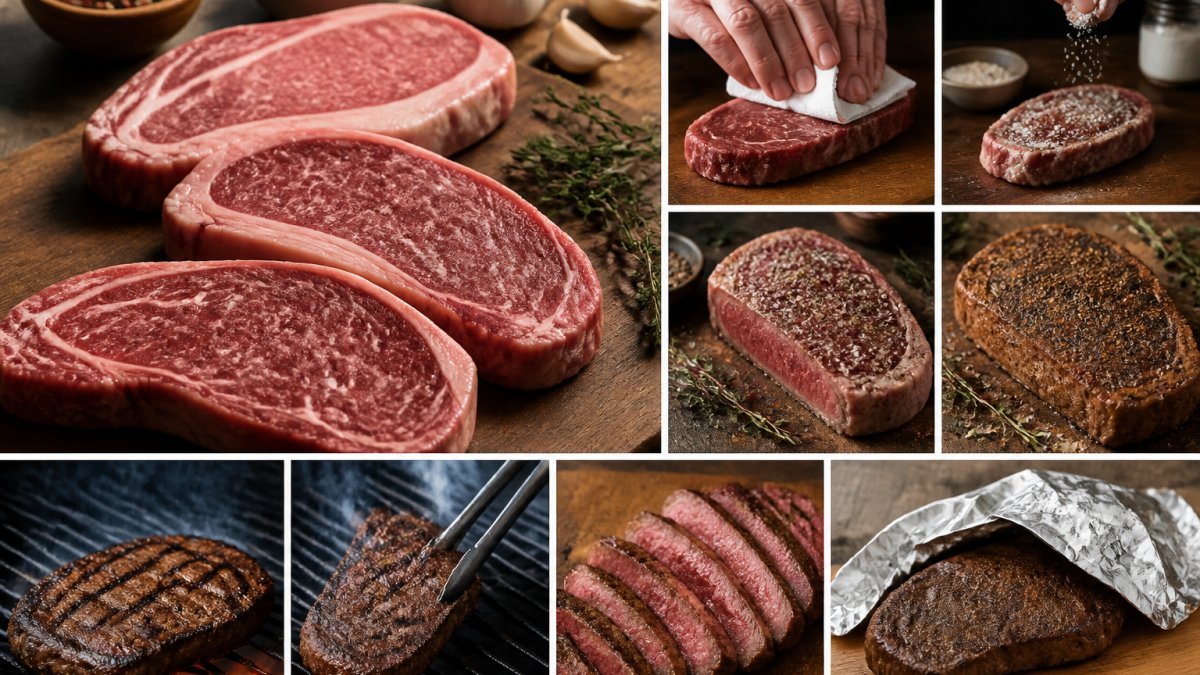
Remove your Wagyu steak from the refrigerator 20-30 minutes before cooking. This allows the meat to come to room temperature, which promotes even cooking throughout the thickness of the steak.
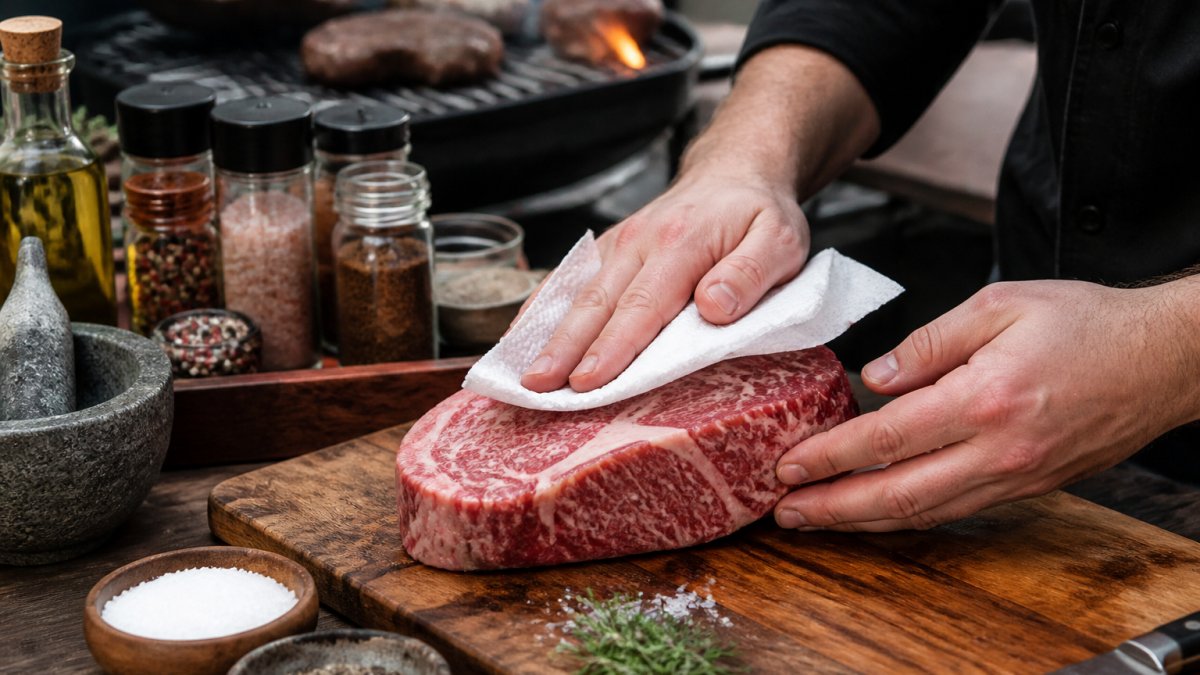
Season your steak generously with sea salt and freshly cracked black pepper just before it hits the grill. At African Vibe, we also recommend exploring our range of spices and rubs, these complement the natural beef flavour without overpowering the marbling's subtle complexity.
Cooking Times and Temperature Guide
Heat your barbecue to medium-high heat. For grass-fed Wagyu beef, you're aiming for a hot grill surface but not an aggressive flame. The fat in the meat will render and can flare if exposed to extreme direct heat.
Place your steak on the grill and cook for 3-4 minutes on the first side without moving it. This creates the caramelised crust. Flip the steak once and cook for a further 2-3 minutes for rare, 3-4 minutes for medium-rare, or 4-5 minutes for medium.
Use a meat thermometer to verify doneness:
- Rare: 50-52°C
- Medium-rare: 52-55°C
- Medium: 55-60°C
For a premium steak, medium-rare is the ideal target, it allows the marbling to render fully while maintaining the meat's tenderness and juiciness.
Resting Your Steak Before Serving
Remove your steak from the grill and place it on a warm plate. This resting period is absolutely critical, do not skip it. Allow the steak to rest for 5-10 minutes before cutting or serving. During this time, the meat's fibres relax and reabsorb the juices that were driven toward the surface during cooking.
If you cut into the steak immediately after cooking, those juices run onto the plate instead of staying in the meat, resulting in a drier final product. The resting period ensures every bite remains succulent and flavourful. This is the difference between good steak and exceptional steak.
Finding Premium Grass-Fed Wagyu in Your Area
Most Wagyu pages tell you to 'look for quality suppliers'. That is not useful when the specific question is whether the beef is genuinely grass-fed. Here is a practical framework for verifying the claim and comparing sellers before you commit.
How to verify a grass-fed claim
Grass-fed is not a single regulated term in Australia, so the burden of proof sits with the buyer. Ask suppliers for:
- Feeding declaration, a written statement of what the animal ate for its whole life, not just the finishing period. 'Grass-fed, grain-finished' is a common hybrid and is not the same as 100% grass-fed.
- Pasture access details, whether cattle graze on pasture year-round or are supplemented during dry periods.
- Producer and property identification, the farm name and location, so you can trace the supply chain.
- Certification evidence, where a supplier claims organic, antibiotic-free or welfare certification, ask which certifying body issued it and check that the certification is current.
- Breed documentation, fullblood versus crossbred status, and the percentage if crossbred.
A supplier who can answer these questions quickly and in writing is demonstrating the traceability that a grass-fed premium depends on. Vague answers about 'natural' or 'premium' practices are not verification.
A practical comparison checklist
When weighing up two or more sellers, compare them on the same criteria rather than on branding:
- Grass-fed evidence, can they produce the documentation above?
- Cut range, do they offer the cuts you actually cook (ribeye, scotch fillet, brisket, short rib), or only a narrow selection?
- Grading transparency, is the marble score stated, and is the grading system identified?
- Delivery coverage and cold chain, do they deliver to your address, and how is temperature maintained in transit?
- Minimum order and pack sizes, do the pack sizes suit your household, and is there a minimum spend?
- Buying channel, online, in-store, or both, and whether wholesale pricing is available if you buy in volume.
Running both sellers through the same checklist turns a browse into a decision.
What to ask before your first order
A short list of questions will separate serious suppliers from marketing-led ones: What did the animal eat, and for how long? Which grading system is the marble score on? Can you confirm the breed composition? How is the product packed and delivered, and what is the policy if it arrives compromised? Reputable suppliers answer these without hesitation.
At African Vibe, we source 100% naturally grass-fed Black Angus Wagyu beef, free from antibiotics and hormones, and we are happy to talk through sourcing, grading and delivery when you order online or in-store.
Frequently Asked Questions
Can Wagyu beef be 100% grass-fed?
Yes, grass-fed Wagyu beef exists and is becoming increasingly available. True grass-fed Wagyu is raised on pasture throughout its life without grain supplementation, which differs from conventional Wagyu finishing methods. Grass-fed Wagyu tends to have a leaner profile than grain-finished varieties whilst retaining the breed's natural marbling characteristics. Look for producers who provide transparent sourcing information and certifications confirming their grass-fed practices.
What should I look for when buying grass-fed Wagyu?
When selecting grass-fed Wagyu beef, check for visible marbling throughout the meat, which indicates quality and flavour. Verify the producer's feeding practices and whether they use antibiotics or hormones. Look for traceability information and certifications. Ask about the animal's breed (fullblood or crossbred Wagyu) and age at slaughter. Reputable suppliers provide detailed product descriptions and sourcing information, which signals genuine commitment to quality and transparency.
How long should you cook a Wagyu steak on each side?
Grass-fed Wagyu steaks cook quickly due to their high fat content. For rare, cook 2-3 minutes per side on a hot grill. For medium, aim for 3-4 minutes per side. For medium-well, cook 4-5 minutes per side. The exact time depends on steak thickness, grill temperature, and your preference. Always rest the steak for 5-10 minutes after cooking to allow juices to redistribute, which enhances tenderness and flavour.
Where can I buy the best Wagyu beef in Sydney?
Premium grass-fed Wagyu beef is available through specialist online butchers and local retailers that focus on ethically sourced, high-quality meats. Many suppliers offer home delivery across the greater Sydney area. When choosing a supplier, verify their sourcing practices, check for customer reviews, and confirm they use proper cold-chain logistics to ensure freshness. Reputable providers will have transparent information about their producers and cattle feeding practices.
Purchasing premium grass-fed Wagyu beef is an investment in your dining experience. When you source from African Vibe, you're choosing a supplier committed to quality, authenticity, and the traditional flavours that make every meal memorable. Order now and discover why our customers consistently praise our commitment to excellence and genuine grass-fed Wagyu beef sourcing.