 How-to
How to Make South African Vetkoek With Curried Mince
Last Updated: November 14, 2026
Quick Summary
Make vetkoek with mince by kneading a yeast dough of flour, water and oil, letting it rise twice, then deep-frying balls at 170°C to 180°C until deep golden. Meanwhile simmer beef mince with onion, garlic, curry powder, chutney, tomatoes and coconut milk, then spoon it into the split vetkoek.
- The recipe makes about 12 vetkoek and serves 4 to 6 people.
- Knead the dough for 8 to 10 minutes, then prove it for 60 to 90 minutes.
- Fry 3 to 4 vetkoek at a time for 6 to 8 minutes in total.
- Simmer the curried mince for 20 to 25 minutes, adding peas and carrots for the last 5.
- Shaped dough balls can be chilled for up to 24 hours before frying.
Table of Contents
- What You'll Need for Vetkoek and Mince
- Making South African Vetkoek Dough From Scratch
- A Curried Mince Recipe for Vetkoek That Tastes Like Home
- How to Fry Vetkoek Without Burning the Outside
- Vetkoek Cooking Time and Doneness Checks
- Troubleshooting Dough and Frying Problems
- Make-Ahead, Storage and Reheating
- Ordering the Mince and Pantry Staples for Your Vetkoek
- Frequently Asked Questions
What You'll Need for Vetkoek and Mince
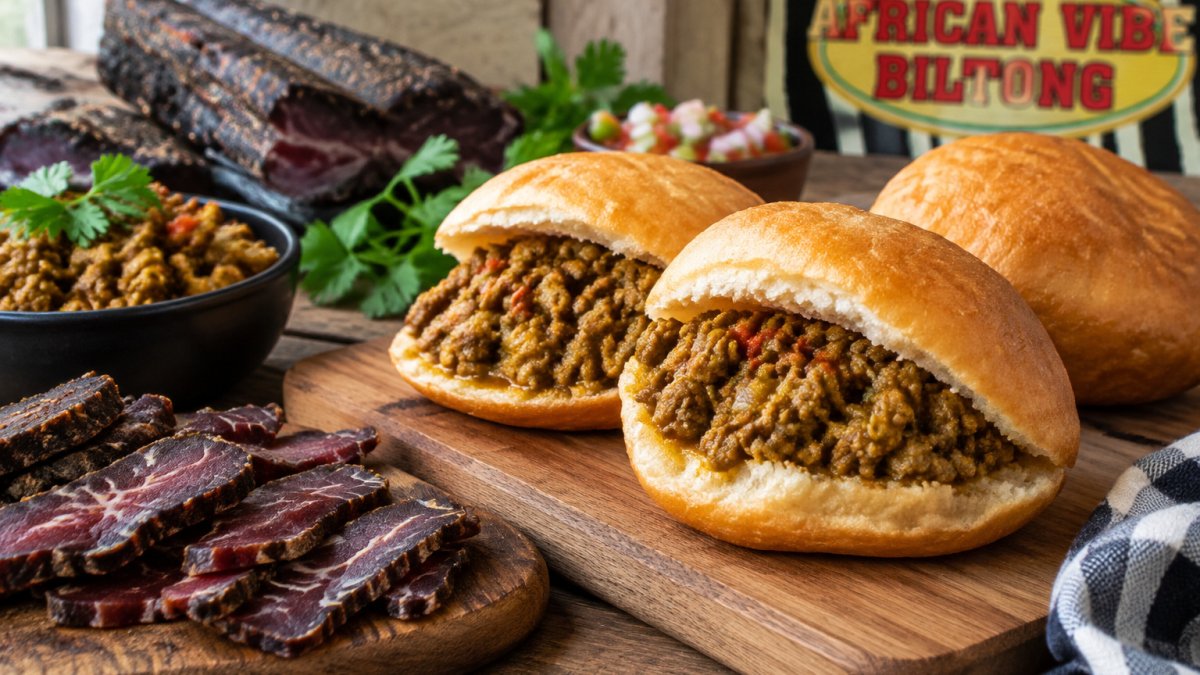
Vetkoek with mince is a South African classic: golden, yeast-raised dough balls split open and stuffed with spiced curried beef mince, and this vetkoek with mince recipe is simpler than most people expect.
The answer is a short pantry list. Cake flour, yeast, salt, sugar, lukewarm water and cooking oil cover the dough. For the filling you need beef mince, onion, garlic, curry powder and a little chutney. That is it.
Ingredient List With Measurements
This recipe makes about 12 vetkoek and serves 4 to 6 people.
For the vetkoek dough:
- 500 g cake flour or all-purpose flour
- 10 g instant dry yeast, about one sachet
- 1 tsp salt
- 2 tbsp sugar
- 300 ml lukewarm water
- 2 tbsp canola oil, plus extra for frying
For the curried mince:
- 500 g beef mince
- 1 large onion, finely chopped
- 2 garlic cloves, crushed
- 2 tbsp mild curry powder
- 1/2 tsp chilli powder, or to taste
- 1/2 tsp ground cardamom
- 1/4 tsp cinnamon
- 2 tbsp chutney
- 1 tin chopped tomatoes
- 125 ml coconut milk
- 1 cup frozen peas and carrots
- Salt and pepper
Equipment Checklist
- Large mixing bowl
- Wooden spoon
- Clean tea towel or cling film
- Heavy-based pot or cast iron pot for deep-frying
- Slotted spoon
- Kitchen thermometer
- Frying pan for the mince
- Paper towels for draining
Want more traditional dishes to cook alongside this one? Browse our South African recipes.
Making South African Vetkoek Dough From Scratch
Good vetkoek starts with a soft, slightly sticky dough. The trick is to keep the water lukewarm, not hot, and to knead until the dough feels smooth and springy. Most failed batches come from water that was too hot and killed the yeast before it had a chance to work.
Mixing, Kneading and Proving the Dough
- Combine the flour, yeast, salt and sugar in a large bowl.
- Pour in the lukewarm water and oil. Mix with a wooden spoon until a shaggy dough forms.
- Tip onto a floured bench and knead for 8 to 10 minutes, until smooth and elastic.
- Shape into a ball, oil the bowl lightly, and cover with a tea towel.
- Leave in a warm spot for 60 to 90 minutes, until doubled in size.
- Punch down and divide into 12 equal portions. Roll each into a smooth ball.
- Cover and let the shaped dough rise for another 20 to 30 minutes.
A common mistake is skipping the second rise. Those 20 minutes give you lighter, fluffier vetkoek, so do not rush them.
A Curried Mince Recipe for Vetkoek That Tastes Like Home
The filling should be rich, aromatic and just saucy enough to soak into the dough without making it soggy. Mild curry powder keeps it family-friendly, and a spoon of chutney adds that sweet-savoury depth South Africans know well.
For the full experience, serve it with a spoon of Mrs Balls chutney on the side. It is the classic pairing.
Building the Spice Base and Simmering the Filling
- Heat a little oil in a pan and soften the onion until golden.
- Add the garlic and cook for 30 seconds.
- Stir in the curry powder, chilli, cardamom and cinnamon. Cook for one minute to release the oils.
- Add the beef mince and brown it, breaking up any lumps.
- Stir in the chutney, tomatoes and coconut milk.
- Simmer for 20 to 25 minutes, then add the peas and carrots for the last 5 minutes.
- Season with salt and pepper.
For the exact curry powder we cook with, see our curry powder range. A good blend makes all the difference to the finished filling.
How to Fry Vetkoek Without Burning the Outside
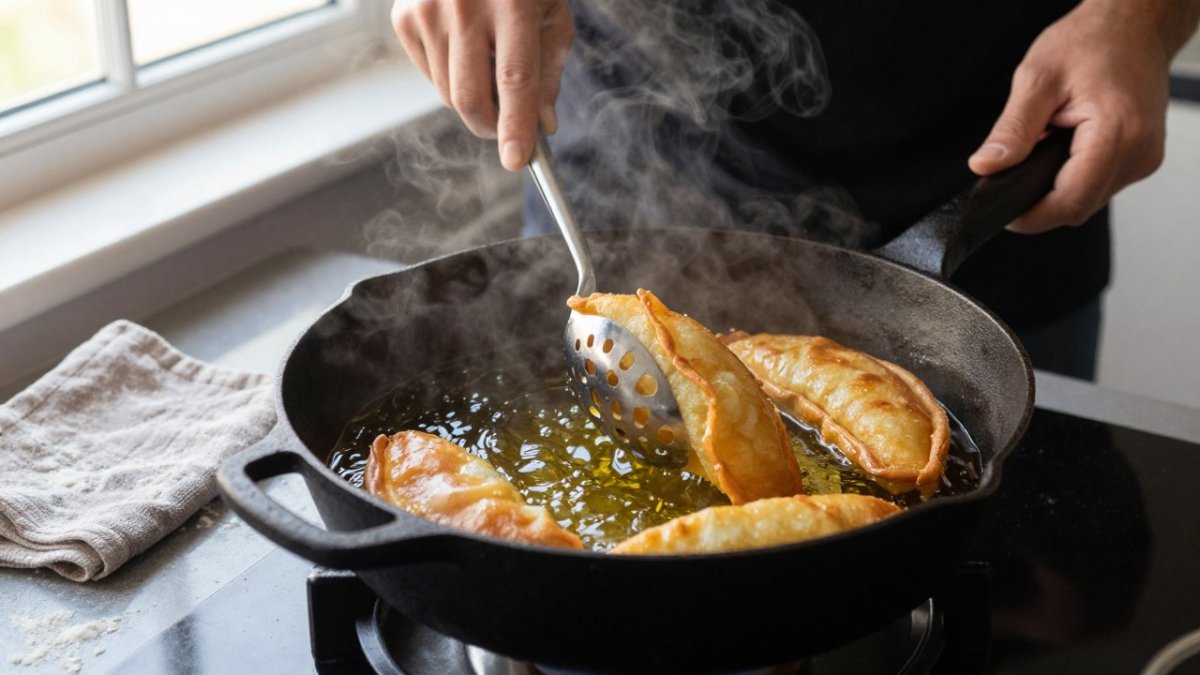
Oil temperature is the single biggest factor in frying vetkoek, and the difference between success and failure is narrow. Aim for 170°C to 180°C and hold it there for the whole batch. Too hot, and the outside browns before the middle cooks.
Setting Up the Pot
Use a heavy-based pot or cast iron pot and add about 5 cm of canola oil. The oil should be deep enough that the vetkoek float rather than sit on the base, but not so deep that it risks spilling when they rise.
If you do not have a thermometer, use the dough test: drop a small piece of dough into the oil. At the right temperature it should sizzle steadily and rise to the surface within a few seconds.
Frying in Batches
Fry 3 to 4 vetkoek at a time. Any more and the oil temperature drops sharply, which is exactly when vetkoek turn greasy. Turn each one once with a slotted spoon, and cook until deep golden brown on both sides, roughly 3 to 4 minutes per side, or 6 to 8 minutes in total.
Watch the thermometer between batches. Every time you add dough the temperature falls, so give the oil a minute to recover before the next batch.
Draining and Keeping Warm
Lift each vetkoek out with a slotted spoon, let the excess oil drip back into the pot for a second, then drain on paper towels.
A cast iron pot holds heat well, which keeps the temperature steady.
Watch out: hot oil is the main hazard in this recipe. Keep the pot on a stable surface, never add water or wet dough to the oil, and keep children and pets clear of the cooking area.
Vetkoek Cooking Time and Doneness Checks
Each vetkoek takes about 3 to 4 minutes per side, so roughly 6 to 8 minutes in total. The dough should sound hollow when tapped and feel light for its size.
Here is a quick guide to doneness:
Check | What to Look For | What It Means |
|---|---|---|
Colour | Deep golden brown all over | Cooked through |
Sound | Hollow tap on the base | Airy inside |
Weight | Feels light for its size | Properly proved and fried |
Texture | Crisp outside, soft inside | Perfect oil temperature |
If the outside is dark but the centre is doughy, your oil is too hot. Lower the heat and cook the next batch a little longer.
Troubleshooting Dough and Frying Problems
Most vetkoek problems trace back to yeast, water temperature or oil heat. Here are the fixes for the most common issues.
- Dough did not rise: the water was too hot, or the yeast was old. Use lukewarm water and check the yeast date.
- Vetkoek are dense and heavy: the dough was under-kneaded or rushed through the second rise.
- Outside burns, inside raw: oil is above 180°C. Add a thermometer and watch it.
- Vetkoek soak up oil: oil dropped below 170°C. Fry fewer at a time.
- Cracks on the surface: the dough was too dry. Add a splash of water next time.
Watch out: never crowd the pot. Overcrowding drops the oil temperature fast, and that is when vetkoek turn greasy.
Make-Ahead, Storage and Reheating
Vetkoek are best fresh, but both parts keep well, and planning ahead makes the dish far easier to serve for a crowd. The dough can be made ahead, and the mince actually tastes better the next day.
Making the Dough Ahead
After the first rise, punch the dough down, shape it into 12 balls, and place them on a tray lined with baking paper. Cover tightly with cling film and chill for up to 24 hours.
If you want to freeze dough, freeze the shaped balls on the tray until firm, then transfer to a freezer bag for up to 1 month. Thaw overnight in the fridge, then let them come to room temperature and rise for 20 to 30 minutes before frying.
Storing and Reheating Mince
Cool the mince quickly and refrigerate for up to 3 days, or freeze for up to 2 months in portion-sized containers. Reheat until piping hot all the way through, bring it to a simmer and hold for a minute or two, stirring so it heats evenly. If you are reheating from frozen, thaw in the fridge first rather than heating from frozen, which can leave cold spots in the centre.
Storing and Reviving Fried Vetkoek
Fried vetkoek keep at room temperature for a day in a paper bag, not a sealed plastic container, which traps steam and softens the crust. For longer storage, freeze for up to 1 month. To revive, warm in a 160°C oven for 5 to 8 minutes, or split and toast the cut sides in a dry pan. Avoid the microwave, which makes them rubbery.
Scaling for Different Group Sizes
The base recipe makes about 12 vetkoek and serves 4 to 6 people. To scale, multiply the dough and mince quantities together, 1 kg flour and 1 kg mince makes about 24 vetkoek and serves 8 to 12. Frying capacity, not dough quantity, is usually the limit: a standard pot holds 3 to 4 at a time, so a double batch takes roughly twice as long to fry. If you are feeding a larger group, fry in batches and keep the finished vetkoek warm in a low oven while you work through the rest.
Watch out: cool leftovers within two hours of cooking, and never leave cooked mince at room temperature for longer than that. When reheating, make sure the mince reaches piping hot throughout before serving.
Ordering the Mince and Pantry Staples for Your Vetkoek
Good vetkoek begins with good ingredients, and the mince matters most.
For the flour, chutney and spices you need, browse our South African pantry staples.
For current ordering and delivery details, visit our orders, payment and delivery page.
Ready to cook vetkoek that taste like home? African Vibe stocks grass-fed and grass-finished steaks, boerewors, biltong and all the pantry staples that make this recipe sing. Select your quality beef mince from your local grocer.
Frequently Asked Questions
What oil temperature is best for frying vetkoek?
Heat canola or other cooking oil to 170°C to 180°C in a deep cast iron pot. At that range the dough puffs and browns evenly while the centre cooks through. If the oil is too cool, the vetkoek absorbs fat and turns greasy; too hot and the crust darkens before the inside sets. Use a kitchen thermometer, or drop in a small piece of dough: it should sizzle and rise within a few seconds.
How do you know when vetkoek is cooked through?
A vetkoek is ready when it is deep golden brown all over and sounds hollow when tapped on the base. Total vetkoek cooking time is roughly 2 to 3 minutes per side, about 5 to 6 minutes per batch. Break the first one open: the inside should be fluffy and dry, not doughy or sticky. If the centre is still raw, lower the oil temperature slightly and fry a little longer.
Can you make vetkoek dough ahead of time?
Yes. Mix and knead the South African vetkoek dough, then let it rise, punch it down and refrigerate it covered for up to 24 hours. Bring it back to room temperature for about 30 minutes before shaping and frying. You can also freeze shaped, unrisen portions on a tray, then fry from frozen at a slightly lower temperature. Cooked vetkoek keep in an airtight container for two days and reheat well.
What can you serve with vetkoek and mince?
Curried mince is the classic filling, but vetkoek also work with chutney, grated cheese, sliced tomato or a spoon of coconut milk curry. Serve them hot with extra chutney on the side and a simple salad to cut the richness. For a braai, split leftover vetkoek, fill with mince and warm over coals. Any leftover curried mince freezes well, so make a double batch for a second meal.