 Ultimate guide
Is Biltong Healthy to Eat Every Day? A Practical Guide
Last Updated: November 7, 2026
Quick Summary
Yes, biltong healthy eating comes down to portion size, so most people can eat it daily in controlled portions. A sensible daily portion is 30-50 g, but watch the sodium, since a 30 g serving can contribute a meaningful share of your daily intake.
- Weigh your portion rather than eating from the bag, and drink water alongside it.
- Biltong is a processed red meat, so health authorities advise moderating frequent intake over the long term.
- Biltong typically has less sugar than jerky and minimal additives.
Table of Contents
- Biltong Nutrition: What You Actually Get in a Serving
- How Much Biltong to Eat: Portions, Sodium and Daily Limits
- Biltong vs Jerky Nutrition: How the Two Dried Meats Compare
- Healthy Biltong Ingredients: What to Look For on the Label
- Eating Biltong Every Day: The Long-Term Health Picture
- Who Should Be Careful With Daily Biltong
- Building a Balanced Daily Biltong Habit
- Ordering Biltong You Can Trust
- Frequently Asked Questions
Biltong Nutrition: What You Actually Get in a Serving
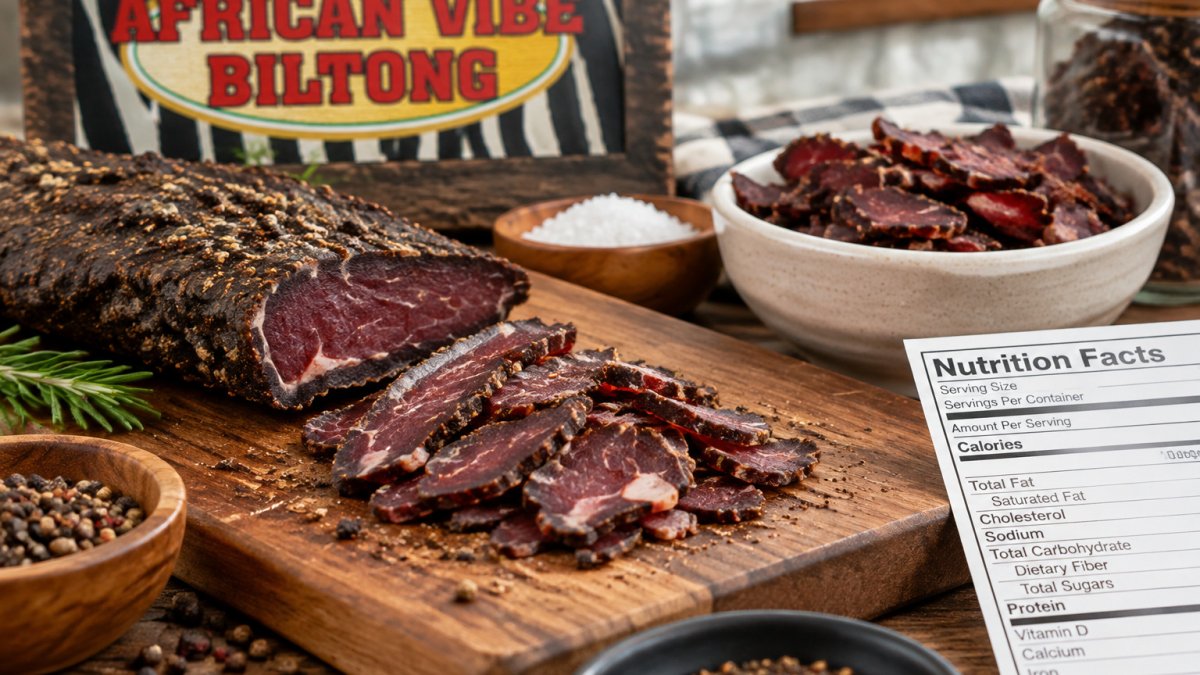
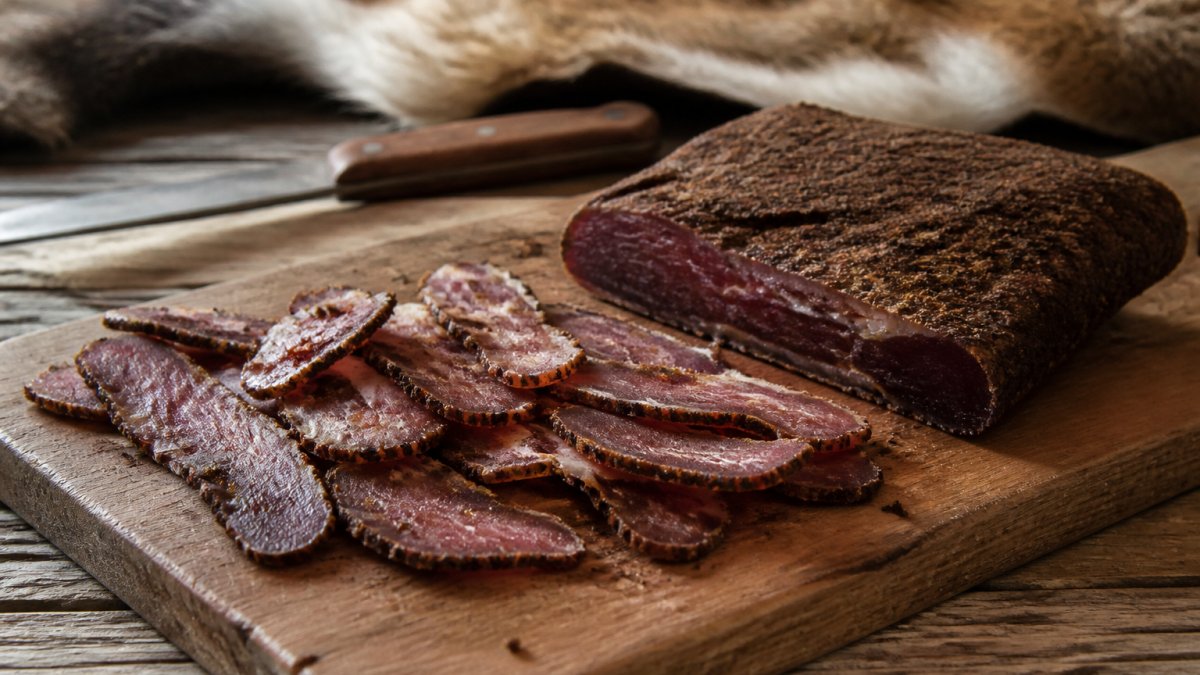
Is biltong healthy to eat every day? Yes, for most people, in controlled portions, biltong healthy eating comes down to portion size. Biltong is a dried, cured meat that delivers a concentrated hit of protein with very little carbohydrate, which makes it one of the better savoury snacks in a balanced diet. The catch sits in portion size and sodium, not in the meat itself.
We get asked this question constantly. Below, we break down the numbers, the daily limits, and the label checks that matter.
Protein, calories and fat at a glance
Biltong is a high-protein, nutrient-dense snack because drying removes water and concentrates the meat. The protein, energy and fat content of biltong varies with the cut and the cure. For exact protein-per-100g figures to compare against your daily needs, see our guide on how much protein in biltong per 100g.
Protein supports muscle growth and muscle recovery, and it drives satiety, which is why a small handful of biltong keeps hunger away far longer than a biscuit would. Fat content varies by cut: lean silverside sits at the low end, while fattier cuts push the energy density up. Most of the fat is saturated fat, so it counts toward your daily intake.
Carbohydrates, sugar and low-carb suitability
Biltong is generally a low-carbohydrate food. Traditional biltong recipes use vinegar and spices, and carbohydrate content depends on the product, so check the label if you follow a low-carb diet.
Some commercial products add sugar or dextrose during curing, which quietly raises the carb count. If you follow a strict low-carb plan, read the nutrition facts panel before you buy. Our article on whether biltong fits your keto diet walks through the specifics.
How Much Biltong to Eat: Portions, Sodium and Daily Limits
A sensible daily portion of biltong is modest, and portion control matters more than the product itself. Biltong is a concentrated snack, not a meal replacement, and portion control is the single biggest factor in whether daily eating works for you.
Sodium is where daily biltong deserves attention. Curing uses salt, so biltong is a salty food. A 30 g serving can contribute a meaningful share of your daily sodium intake, and stacking that on top of other processed foods pushes you past sensible limits for blood pressure and heart health. The practical fix is simple: weigh your portion rather than eating from the bag, and drink water alongside it to support hydration.
To make that concrete, compare the label figure with the recognised daily ceiling. Biltong is salt-cured, so check the sodium figure on the label of the product you buy and factor it into your daily total. If you also eat bread, cheese, sauces or takeaway on the same day, the total climbs quickly.
A workable frequency guide:
Approach | Portion | Frequency | Best for |
|---|---|---|---|
Light snacker | 20-30 g | 3-4 times weekly | Watching sodium or energy balance |
Regular snacker | 30-50 g | Once daily | Active people needing protein |
High-protein athlete | 50 g | Once or twice daily | Muscle recovery, with water |
Portion
Eating biltong straight from a large bag makes it easy to over-serve without noticing, so portioning it into a bowl first is a simple way to keep track of how much you eat.
If you are managing high blood pressure or kidney disease, or you have been advised to follow a low-sodium diet, treat biltong as an occasional food rather than a daily habit and discuss it with your doctor or an accredited dietitian. For everyone else, the portion and frequency table above is a reasonable starting point, adjust it based on the sodium figure on the product you actually buy.
Biltong vs Jerky Nutrition: How the Two Dried Meats Compare
Biltong and beef jerky are both dried meat snacks, but they are made differently, and that changes the nutrition. Biltong is air-dried with vinegar and spices and typically contains less sugar. Jerky is often smoked or heat-dried and frequently includes sugar, soy sauce or sweeteners in the marinade.
For a direct side-by-side breakdown of taste, texture and preparation, our guide on the difference between beef jerky and biltong covers it in detail. The short version: biltong usually wins on sugar and additives, while jerky varies wildly by brand.
Feature | Biltong | Beef jerky |
|---|---|---|
Typical sugar | Low, often under 1 g | Often added, varies by brand |
Curing method | Vinegar and spice, air-dried | Marinade, smoked or heat-dried |
Protein per 30 g | 15-18 g | 9-12 g |
Additives | Usually minimal | Sometimes nitrates, sweeteners |
Both are processed meat, so the long-term health picture applies to each. Neither is a free pass.
Healthy Biltong Ingredients: What to Look For on the Label
Biltong ingredients are typically beef, vinegar, salt and spices. Check the ingredient list on the product you buy.
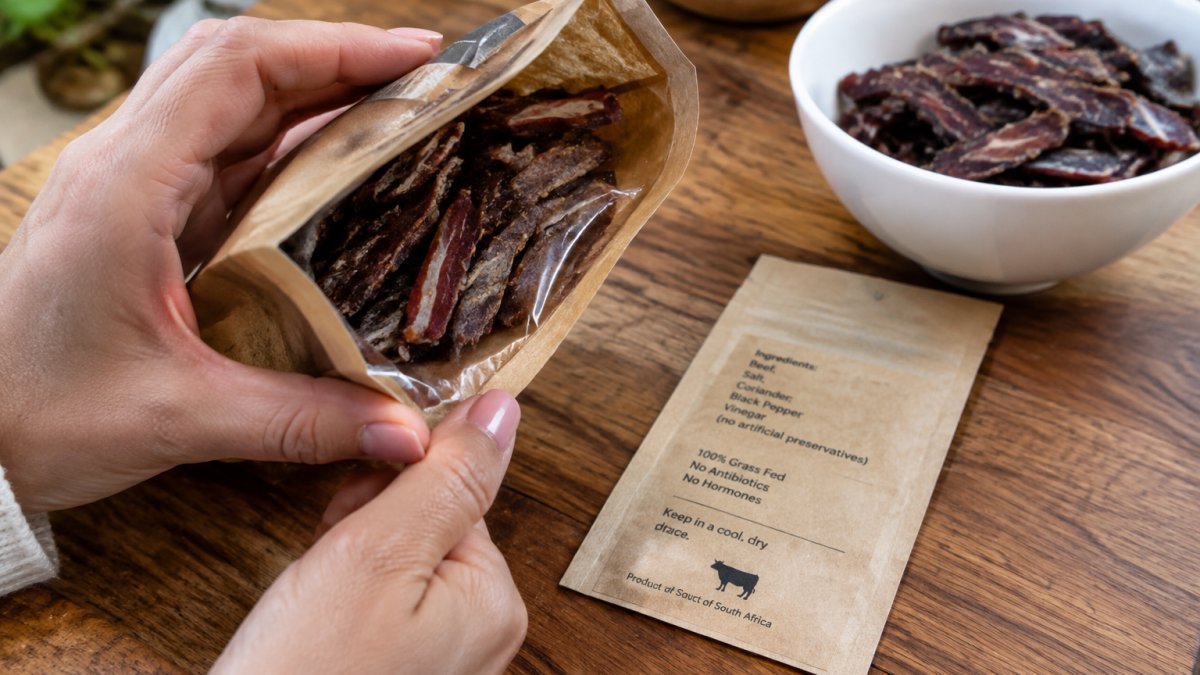
The woman is Australian.
Use this checklist before you buy:
- Beef is the first ingredient, not a filler or water
- No added sugar, dextrose or maltodextrin
- No MSG or flavour enhancers
- No nitrates or nitrites listed
- Vinegar and whole spices, not "flavouring"
- A clear best-before date
For a fuller walkthrough of spotting quality before you spend, read our buyer's guide to choosing quality biltong.
Eating Biltong Every Day: The Long-Term Health Picture
Biltong can fit within a balanced diet when eaten in moderation. The honest caveat is that biltong is a processed red meat, and health authorities generally advise moderating frequent processed and red meat intake over the long term. That guidance is about patterns, not single servings.
Biltong is a processed meat, and its nutritional profile depends on the cut and cure. Salt content is the most consistent nutritional consideration to keep in mind.
The practical way to think about long-term daily eating is to treat biltong as one component of a pattern rather than a daily staple. Keeping the portion small, pairing it with whole foods and rotating it with other protein sources is a sensible way to eat it regularly. If biltong replaces chips or sugary snacks, you are almost certainly ahead. If it starts to crowd out fish, legumes, eggs or fresh meat at main meals, the balance tips the other way.
Watch out: relying on biltong as your main protein day after day crowds out the variety a balanced diet needs, and the sodium load becomes harder to manage. A useful rule of thumb is to keep biltong to one measured portion on most days and to build the rest of the day around vegetables, fruit, whole grains and water. That structure keeps the habit sustainable without pretending the long-term evidence on processed meat does not apply.
Who Should Be Careful With Daily Biltong
Some groups should be more careful with salty, cured foods like biltong. Anyone managing high blood pressure should watch the salt content closely, because biltong is sodium-dense. People on sodium-restricted diets should speak to their doctor or an accredited dietitian before making it a daily habit.
Those watching saturated fat for heart health should favour lean cuts and keep portions modest. Anyone who finds salty, dried foods trigger thirst or bloating should scale back and increase water intake. If you have a condition affecting blood pressure, kidneys or heart health, speak with your doctor before changing your diet.
Building a Balanced Daily Biltong Habit
A balanced approach to eating biltong comes down to measuring your portion and pairing it with water and whole foods.
Try these habits:
Ordering Biltong You Can Trust
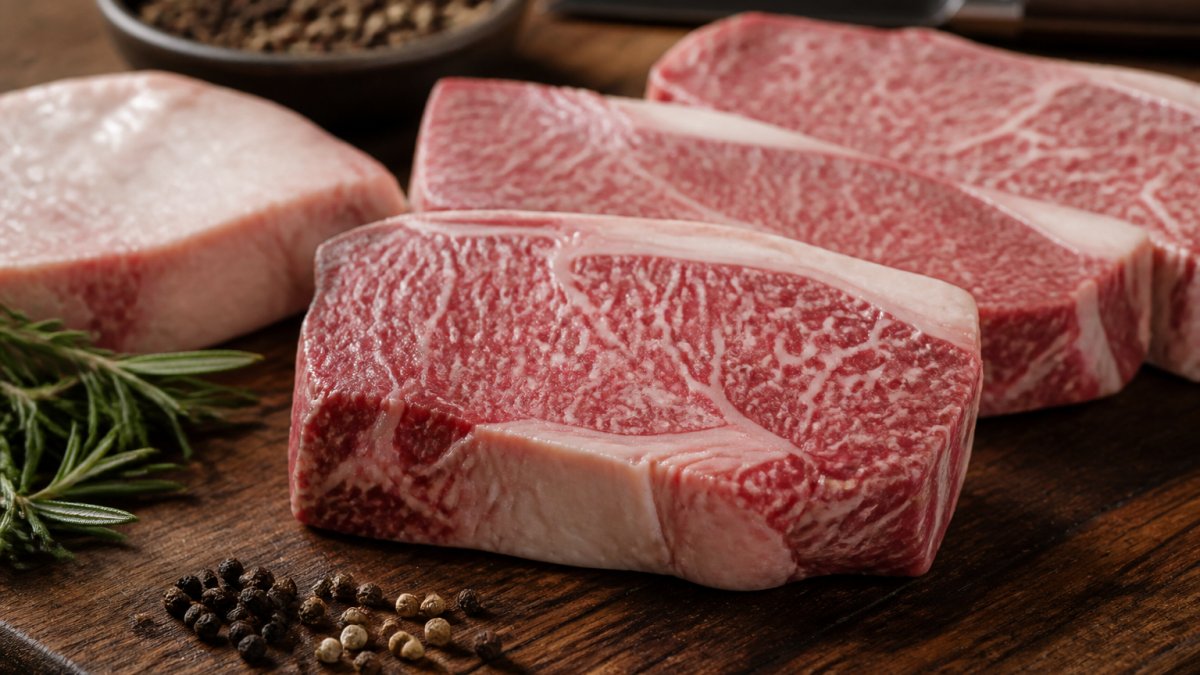
The final piece of eating biltong well is buying well. At African Vibe, our biltong is made from 100% naturally grass-fed Black Angus wagyu beef, free from added antibiotics and hormone growth promotants, using traditional South African preparation methods.
If you are ready to stock up, browse our range of authentic biltong and South African favourites and see what is fresh this week.
The challenge with daily biltong is not the meat, it is the portion and the label. African Vibe takes the guesswork out of the label with grass-fed Black Angus wagyu beef, no added antibiotics or hormones, and traditional curing that keeps the ingredient list short. Get started with African Vibe and build a biltong habit you can trust.
Frequently Asked Questions
Is it healthy to eat biltong every day?
It can be, within limits. Biltong is a dried meat snack, and a small portion can fit within a balanced diet. The main things to watch are sodium and overall processed red meat intake. Keep servings modest, choose products with short ingredient lists, and pair biltong with whole foods rather than treating it as a replacement for meals. If you have high blood pressure or are pregnant, check with your doctor first.
How much biltong is a healthy portion?
Portion size matters with any salted snack. Spread it across the day rather than eating it all at once, and count it toward your overall salt intake.
Is biltong high in sodium?
Yes, biltong is a salted, cured meat, so sodium is its main nutritional drawback. Biltong is salt-cured, so portion control matters, especially if the rest of your day includes processed foods. Check the sodium figure on the label and drink water alongside your snack.
Is biltong healthier than beef jerky?
Both are dried meat snacks made differently. Compare the nutrition panel and ingredient list of the products you are considering to see which suits your needs.
What should I look for when choosing healthier biltong?
Check three things: the ingredient list, the sodium figure and the protein content. Check the ingredient list, sodium figure and protein content on the label, and look for suppliers who can tell you how the meat was sourced. Grass-fed beef is a bonus for quality.